Noise & Grain Textures
Organic noise fields
60 textures
Noise and grain textures provide organic, natural-looking surfaces generated from layered noise algorithms. Use them for terrain heightmaps, subtle background grain, film effects, and atmospheric overlays. These patterns blend smoothly at tile boundaries.

Cotton Candy Cloud
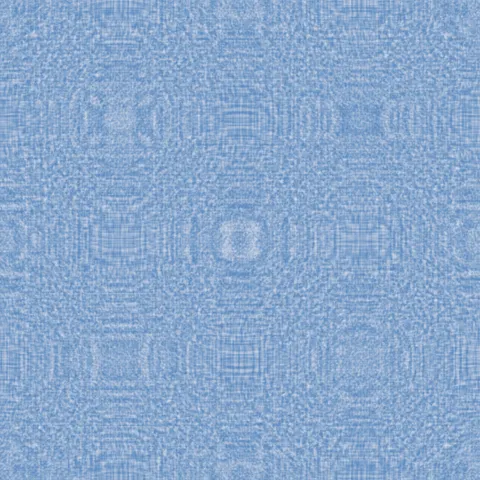
Cumulus Sky Cloud
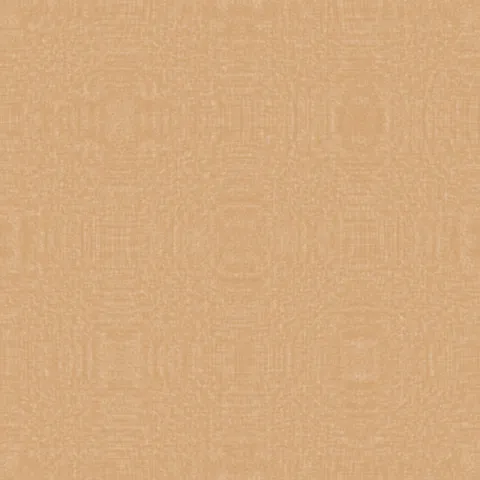
Dawn Mist Cloud

High Altitude Cloud

Overcast Cloud

Stormy Dark Cloud

Thunderhead Cloud
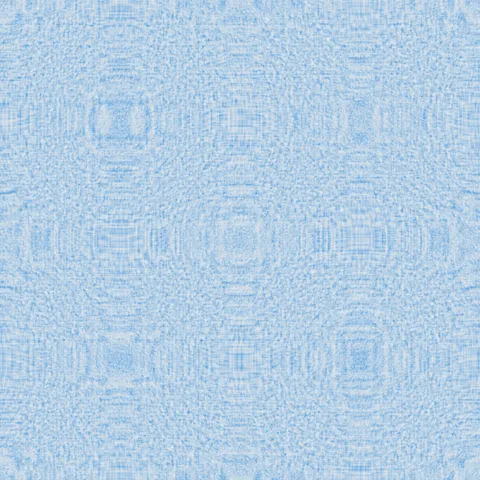
Tropical Cumulus Cloud

Volcanic Ash Cloud

Wispy Cirrus Cloud
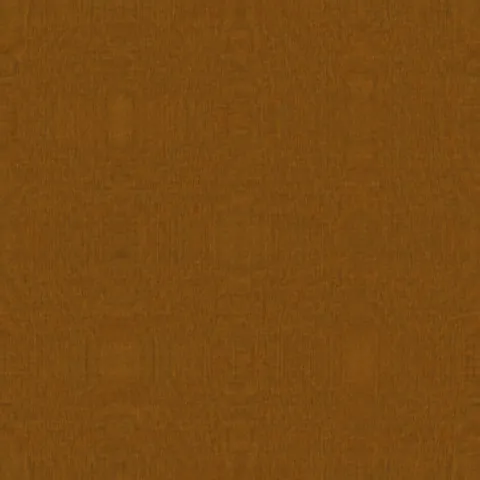
Autumn Grass Grass
Bamboo Floor Grass
Dry Savanna Grass
Golf Green
Lush Lawn
Mossy Ground
Sports Turf Grass
Tundra Scrub Grass

Wetland Marsh Grass
Wild Meadow
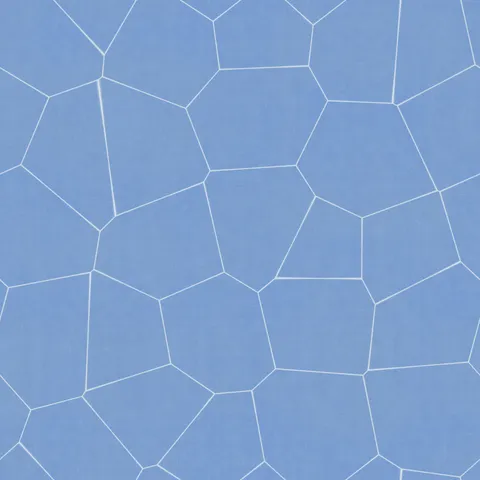
Arctic Ice Sheet
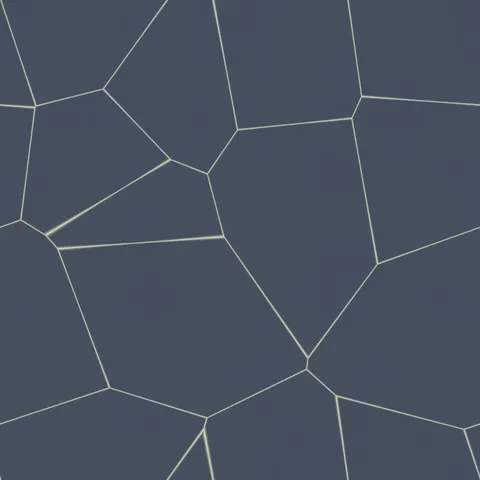
Black Ice Ice
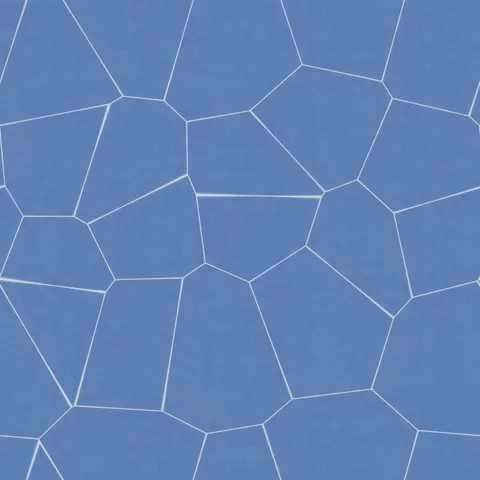
Blue Glacier Ice
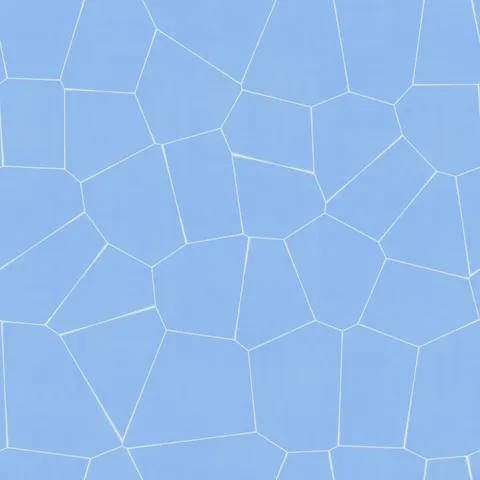
Clear Ice
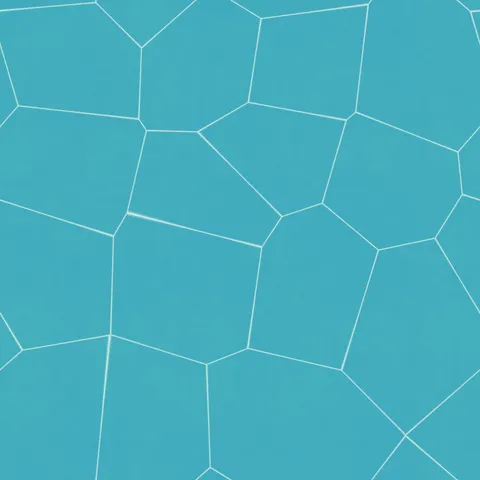
Crystal Cave Ice
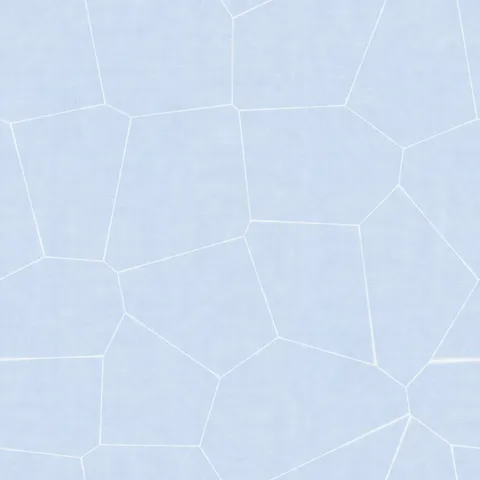
Frosted Glass
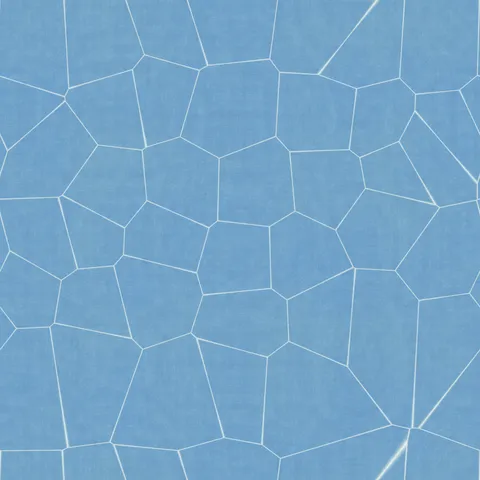
Glacial Ice
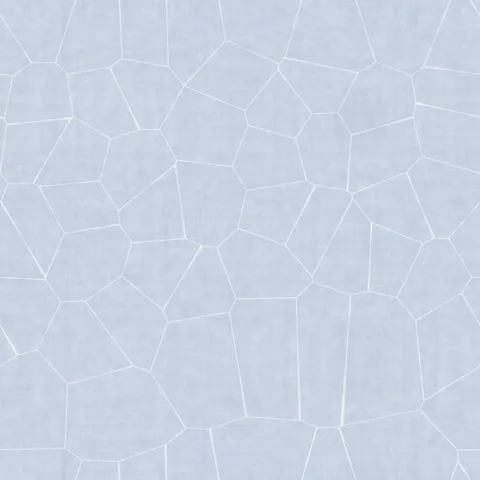
Hailstone Ice
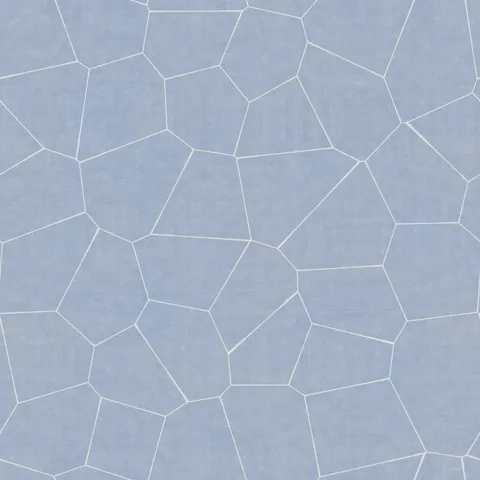
Permafrost Ice
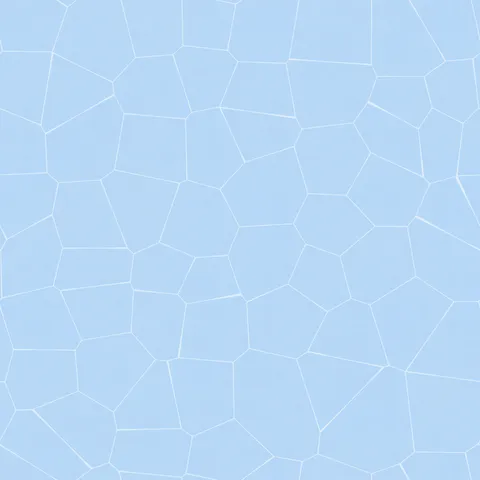
Thin Ice
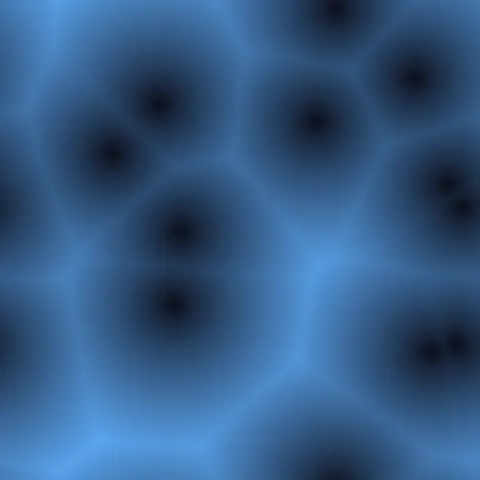
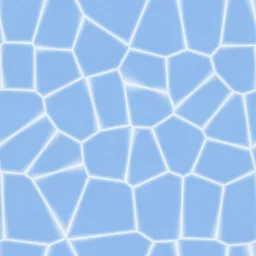
Cell Pattern

Cloud Layer Noise
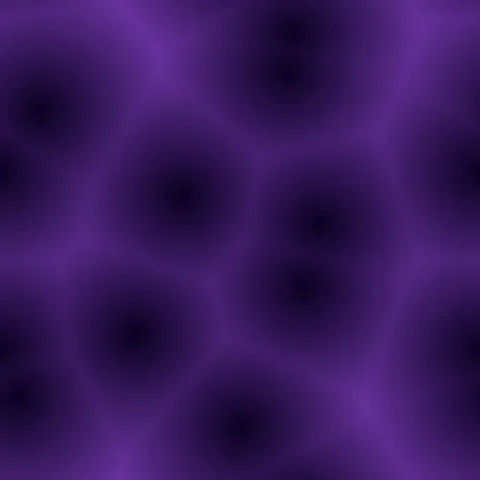
Galaxy Dust Noise

Lava Flow Noise

Marble Noise Noise

Ridge Lines
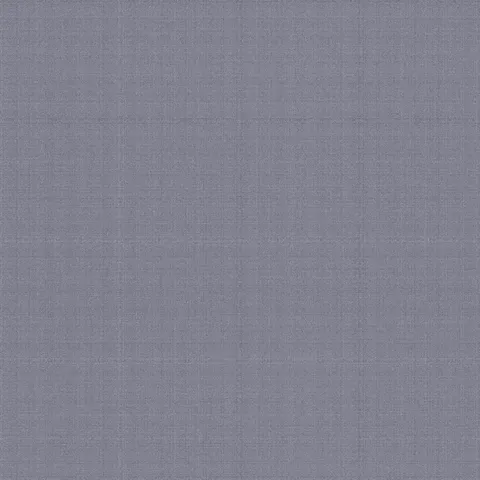
Smooth Perlin

Static Grain

Turbulent FBM

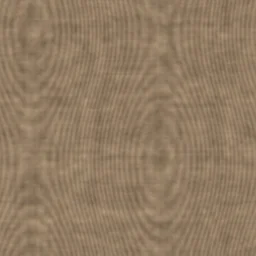
Wood Grain Noise
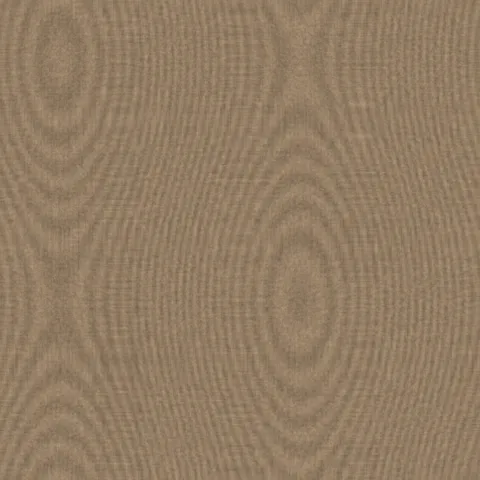
Beach Sand
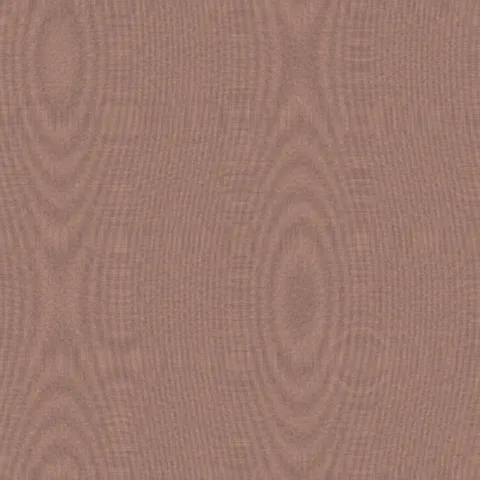
Coral Sand Sand
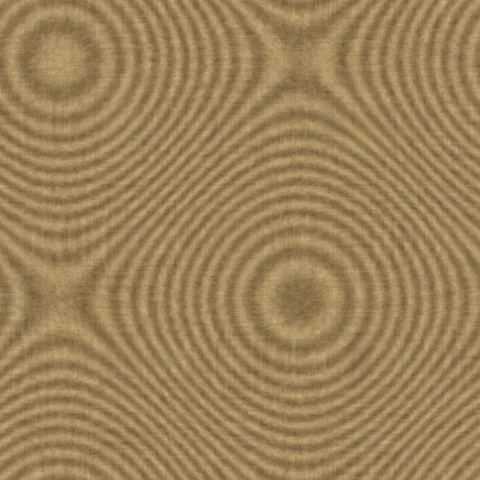
Desert Dunes
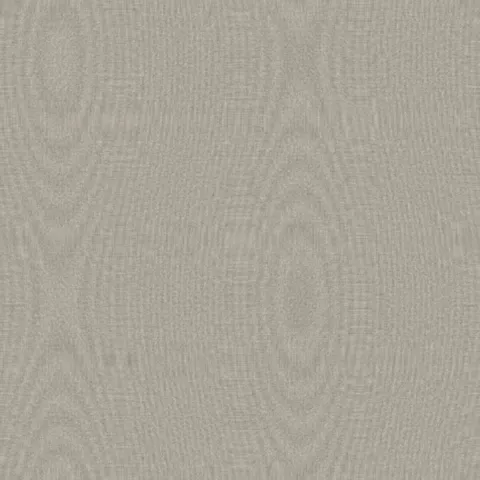
Fine White Sand
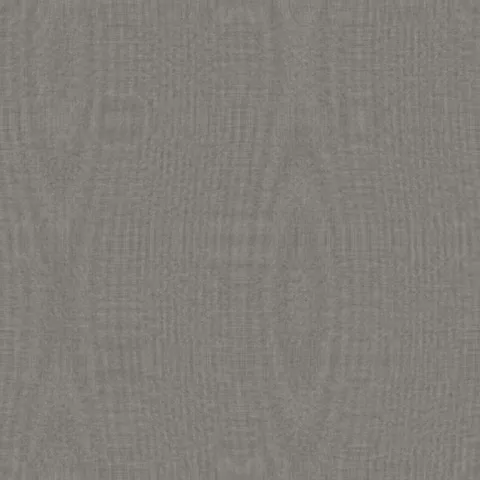
Frozen Sand Sand
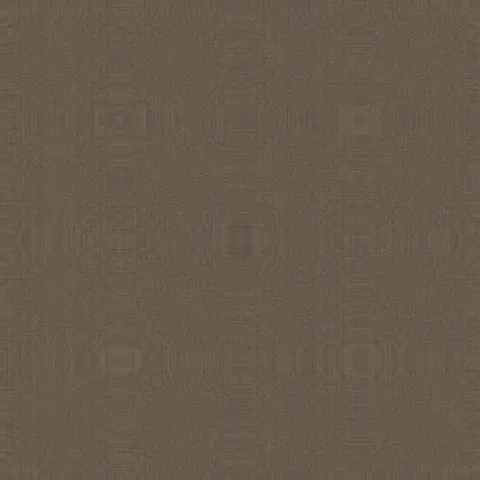
Gravel Mix Sand
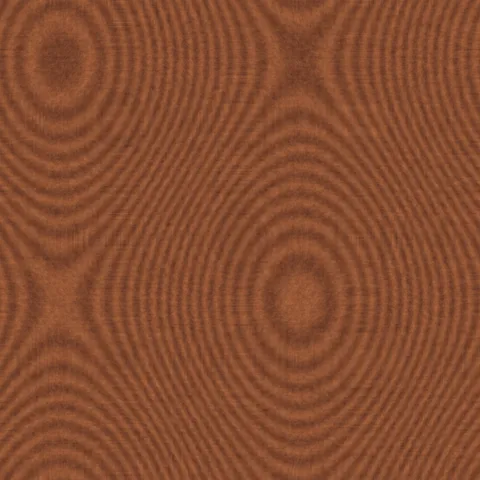
Red Desert Sand
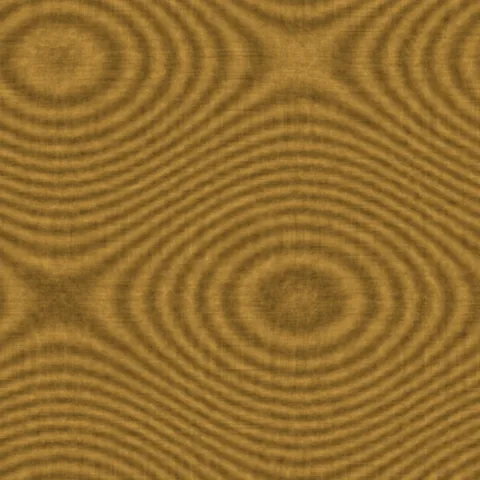
Saharan Gold Sand

Volcanic Black Sand
Wet Sand
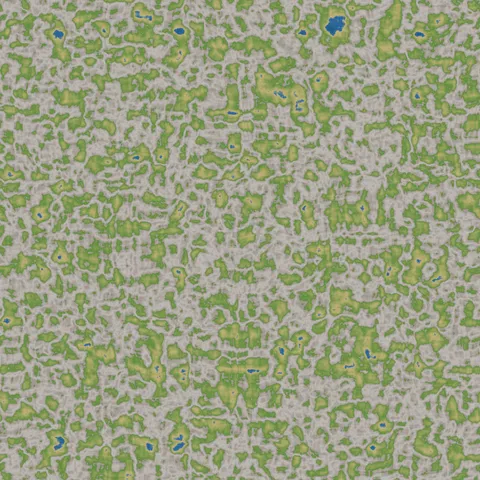
Alpine Mountains Terrain
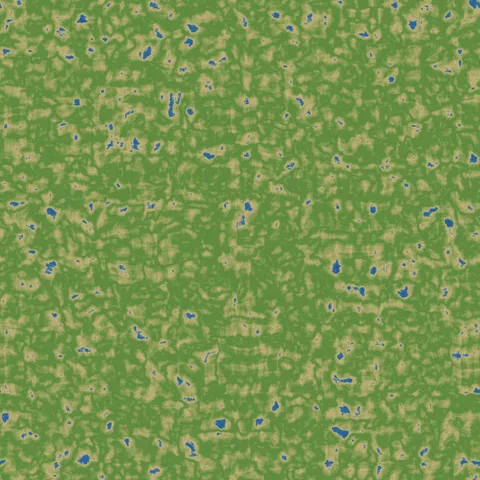
Canyon Maze Terrain

Coastal Cliffs Terrain

Desert Dunes Terrain
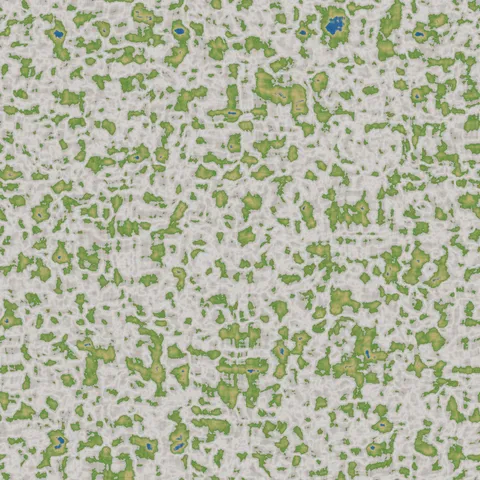
Frozen Peaks Terrain

Mesa Plateau Terrain

River Delta Terrain

Rolling Hills Terrain

Tundra Terrain
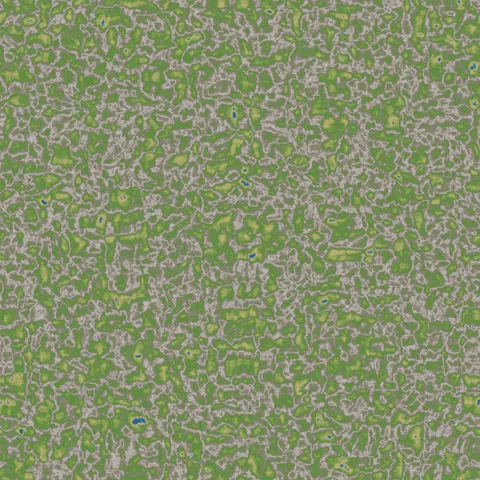
Volcanic Terrain
Create Your Own Noise & Grain Textures
Use our procedural generators to create custom noise & grain textures — adjust every parameter and download as PNG.

Noise & Grain textures in depth
Characteristics of the category
Noise-family textures — grass, sand, cloud, water, ice, terrain, and pure procedural noise — capture the irregular visual character of natural surfaces without regular repeat structures. Because there is no alignment to maintain, these textures tile very well at any scale; the human eye does not pattern-match on organic noise the way it does on geometric patterns. The category is ideal for ground planes, large outdoor surfaces, and any material where regularity would break the natural feel.
How to apply these textures
For game-engine ground materials, apply at UV scales that produce three to ten full tile repeats across the surface the player walks on. This keeps detail readable at ground level without visible seams. For aerial and overhead views (terrain renders, stylised top-down games), larger tile counts work because the viewer is further from the surface. Pair with subtle colour variation masks to break up obvious tile uniformity — a blend mask between two different terrain textures can eliminate even the most carefully constructed seams in the mind of the viewer.
Colour guide
Natural noise palettes follow the real-world material they reference: grass is yellow-green through blue-green depending on season and species; sand spans pale silica through red iron-rich Sahara tones; water shifts from shallow tropical teal through deep ocean indigo. Cloud is nearly white with blue sky backgrounds. Terrain cycles through the full biome range — blue water, tan beach, green grassland, brown hills, grey rock, white snow — in a single texture when elevation mapping is used.
Process Your Textures
Use our free browser-based tools to mix textures, make them seamless, generate normal maps, or extract color palettes.