Wood Textures
Natural grain textures
20 textures
Wood grain textures add warmth and natural character to designs. From light birch to dark walnut, these seamless patterns are ideal for furniture mockups, flooring visualizations, packaging design, and rustic web themes. Each texture repeats without visible seams.
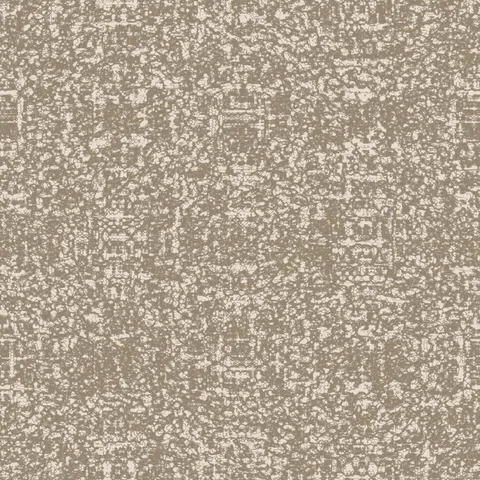
Birch Bark
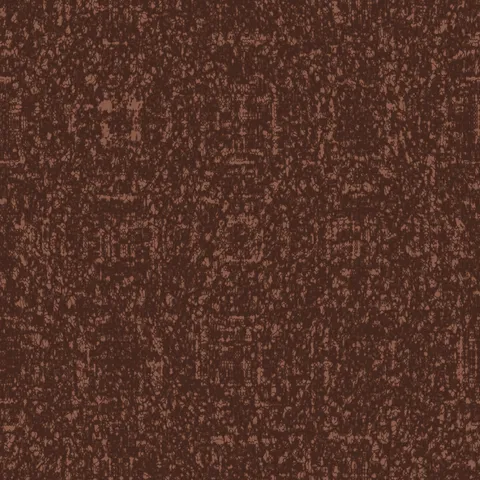
Cherry Blossom Bark
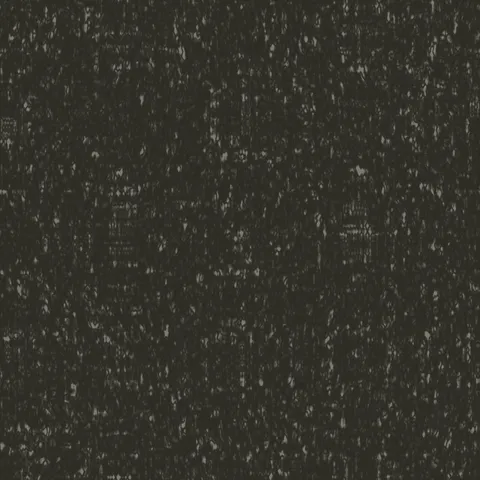
Dead Tree Bark
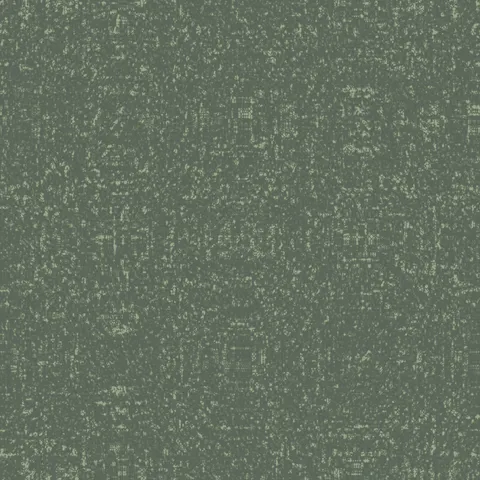
Eucalyptus Bark
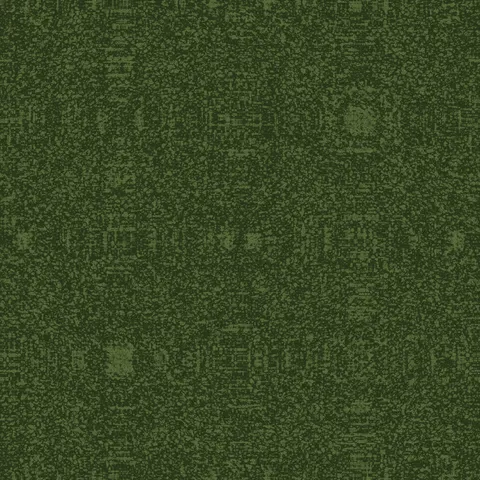
Jungle Vine Bark
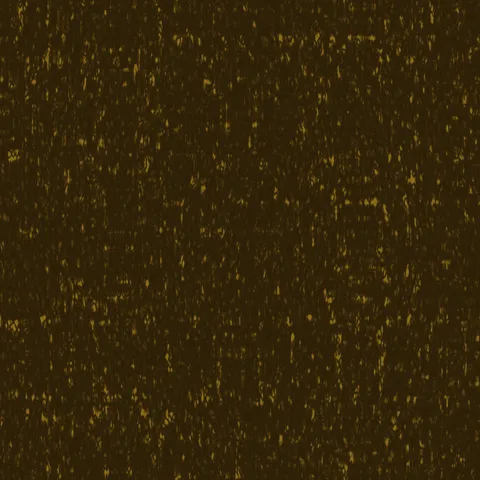
Oak Bark
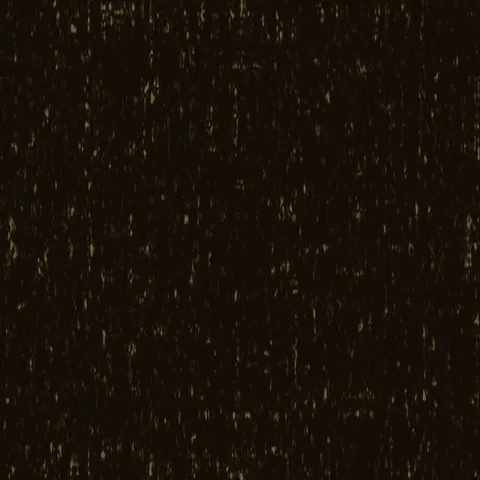
Old Growth Bark
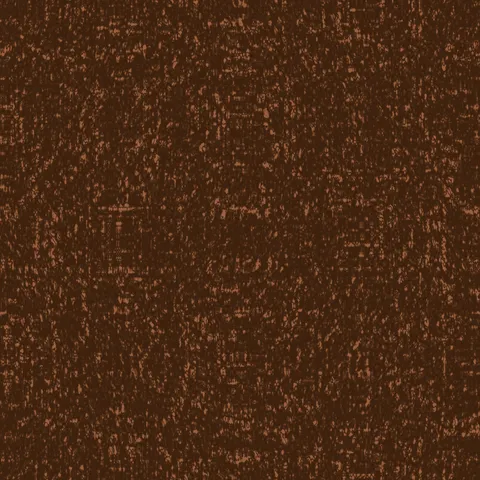
Pine Bark
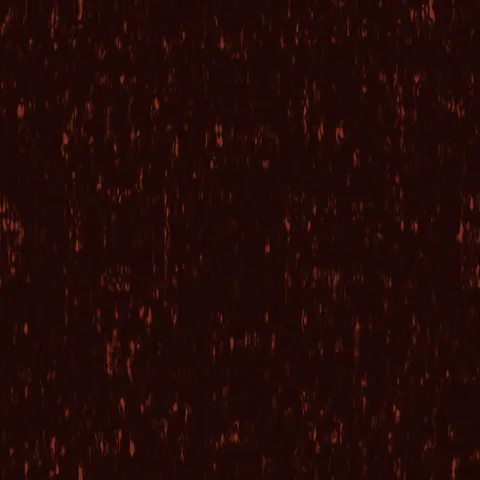
Redwood Bark
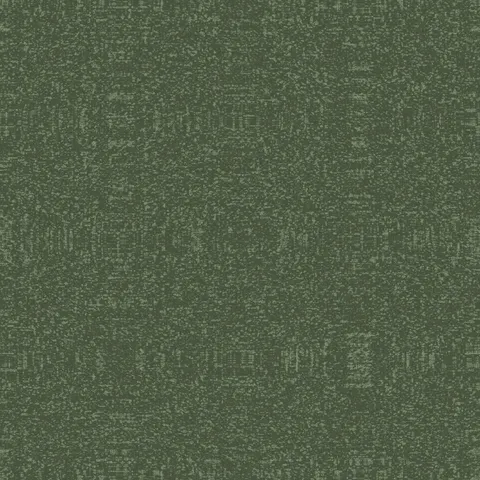
Tropical Palm Bark
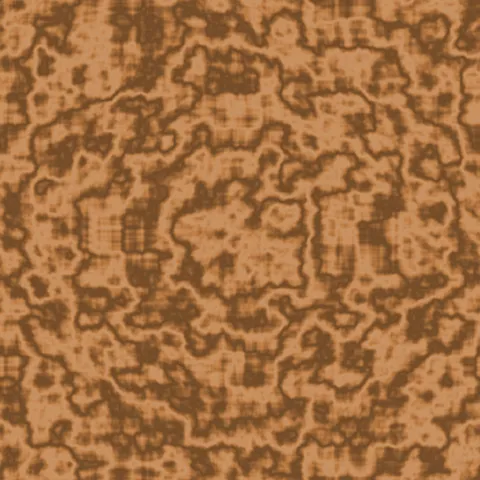
Aged Mahogany Wood
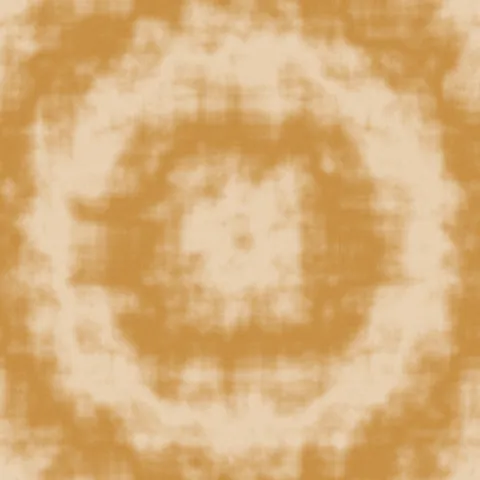
Bamboo Wood
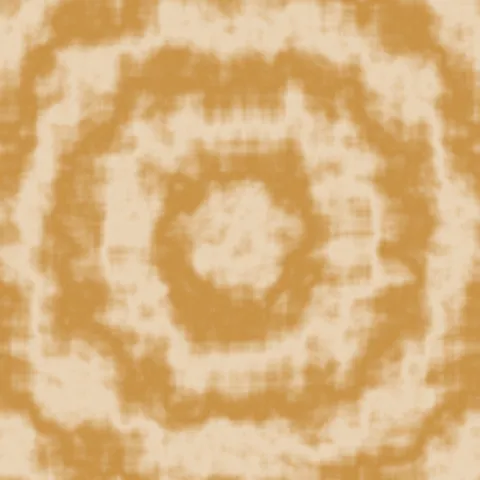
Birch Wood
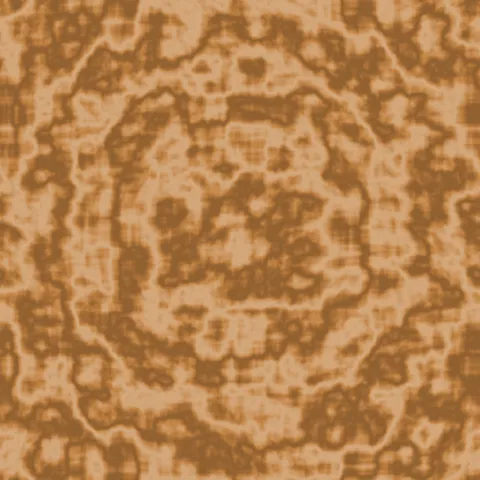
Cherry Wood
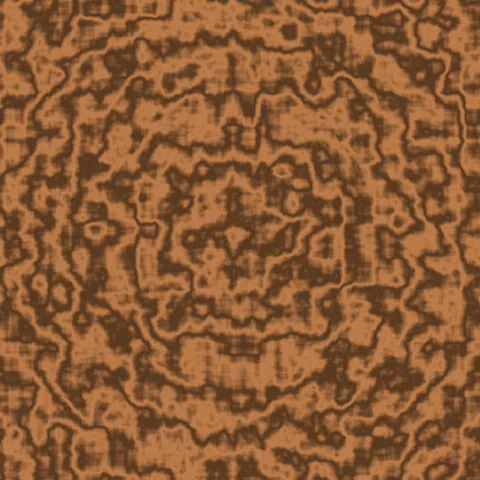
Dark Walnut Wood
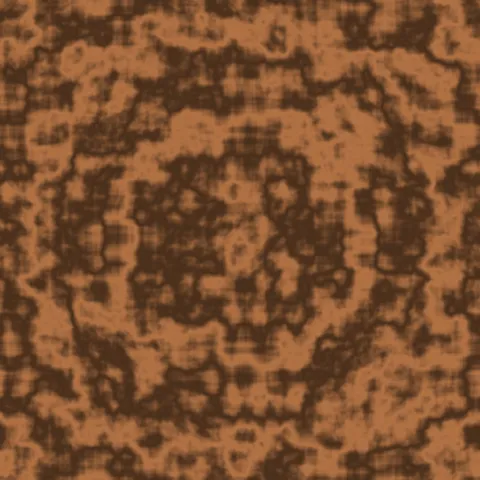
Ebony Wood
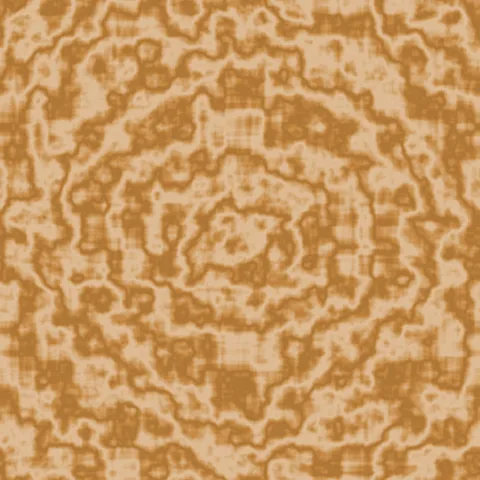
Knotty Pine Wood
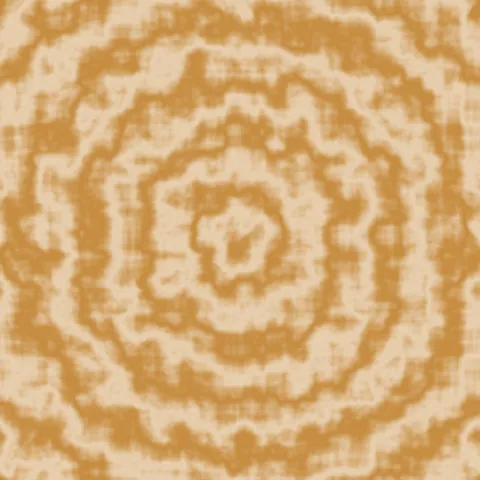
Light Oak Wood
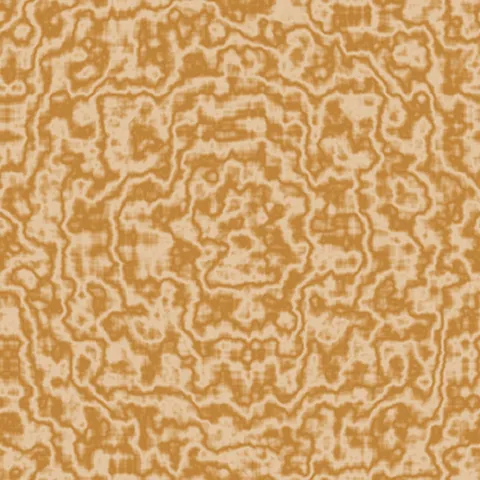
Pine Wood
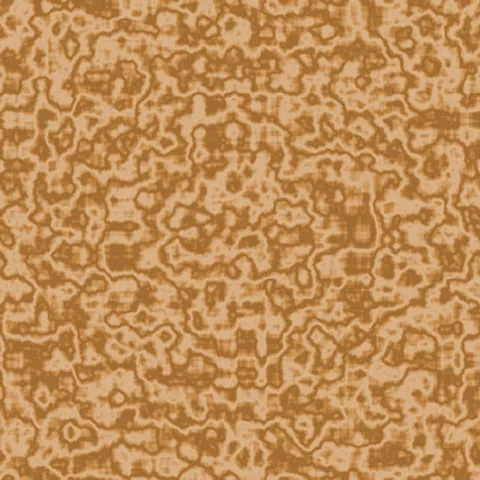
Reclaimed Barn Wood
Create Your Own Wood Textures
Use our procedural generators to create custom wood textures — adjust every parameter and download as PNG.


Wood textures in depth
Characteristics of the category
Wood grain textures are defined by directionality. Unlike stone or fabric, wood has a pronounced primary axis — the grain direction — and the texture is only convincing when the UV orientation aligns with the implied length of the wood. Cross-grain application to a board or plank reads immediately wrong. The category spans species ranges from pale softwoods (birch, pine, maple) through warm mid-tones (oak, cherry, walnut) to dark hardwoods (ebony, wenge). Natural wood also shows visible growth rings whose spacing and prominence vary by species.
How to apply these textures
For flooring, rotate successive planks 180 degrees to avoid pattern alignment across the whole surface. Real wood floors are typically laid with alternating grain direction precisely for this reason. For furniture, the grain should run with the longest dimension of each part — drawer fronts horizontal, table legs vertical, panel sides with the natural length. Pair wood textures with varying roughness across the surface to simulate wax finish versus untreated end-grain; uniform roughness betrays the CG origin.
Colour guide
Wood colour spans a narrower hue range than most categories — warm yellow-orange-red-brown — but the value range is wide. Darker woods read as formal and premium; lighter woods read as casual and airy. Avoid pure yellow wood tones (the hue band around H=50-60 in HSL); natural wood always has some red-orange shift. For aged or weathered wood, desaturate toward grey rather than toward black.
Process Your Textures
Use our free browser-based tools to mix textures, make them seamless, generate normal maps, or extract color palettes.