Ice Texture Generator
Generate frozen ice textures with crack networks, frost crystals, and translucent depth effects.
Share this exact texture with anyone
How to Use Your Ice Texture Generator Texture
CSS Background
Layer an ice texture over content with low opacity for a frosted glass UI effect. Pair with backdrop-filter: blur() for realistic frozen window interfaces.
background: url('texturize_ice.png') repeat;
background-size: 256px 256px;
Blender
Use as Base Color with high transmission (0.8-0.95) on a Principled BSDF for translucent ice. Add subsurface scattering with a pale blue tint for thick glacier effects.
Unity & Unreal Engine
In Unity, use a translucent shader with the ice texture as Base Color and high smoothness for frozen lake surfaces. In Unreal, enable Subsurface shading model and add refraction for realistic ice block translucency.
Photoshop & Figma
Overlay on photos with Screen blending mode in Photoshop for a frozen, icy coating effect. In Figma, apply at low opacity over UI cards for a frosted glass aesthetic with backdrop blur.
Game Development
Use for frozen lakes, ice cave walls, glacier surfaces, and frozen weapon enchantment effects in adventure and RPG games. Animate UV coordinates slowly for shifting internal fracture patterns.
Architectural Visualization
Use for winter scene renders, ice hotel interiors, and frozen landscape architectural visualizations. Combine with high-transmission materials and caustic lighting for photorealistic frozen water surfaces.
Print & Packaging
Use for winter seasonal packaging, frozen food branding, and cooling product marketing materials. The crystalline texture conveys freshness, cold temperatures, and winter themes.
Social Media & Video
Creates a cool, wintry backdrop for seasonal promotions, winter sports content, and holiday marketing campaigns. The icy blue tones and crystalline detail evoke cold-weather moods.
Ice Texture Generator Preset Gallery
Click any preset in the generator above to apply it instantly. Each variation is seamless and ready for download in 1024, 2048, or 4096 resolution.
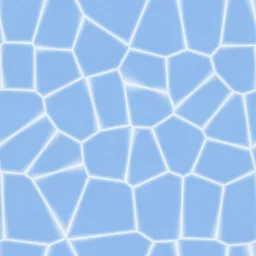
Clear Ice
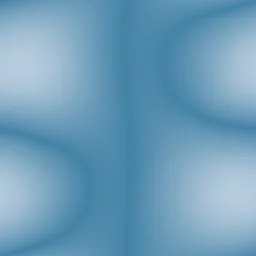
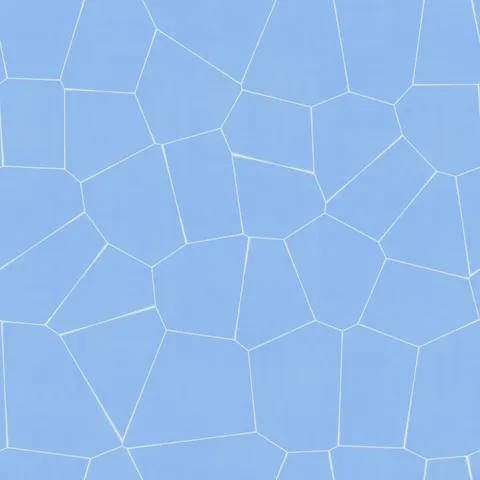
Transparent ice with visible crack networks and minimal frost. Perfect for frozen lake surfaces, glass-like overlays, and crystal-clear winter scenes.
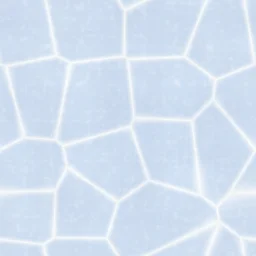
Frosted Glass
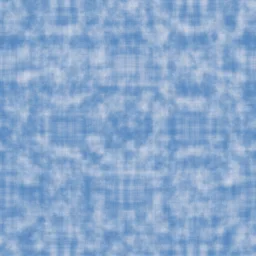
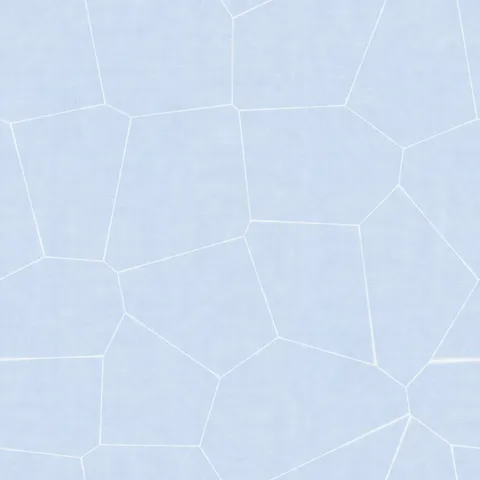
Heavily frosted surface with soft, diffused cracks and opaque white-blue tone. Ideal for window frost effects, privacy glass, and winter UI backgrounds.
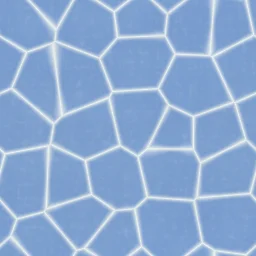
Arctic Sheet
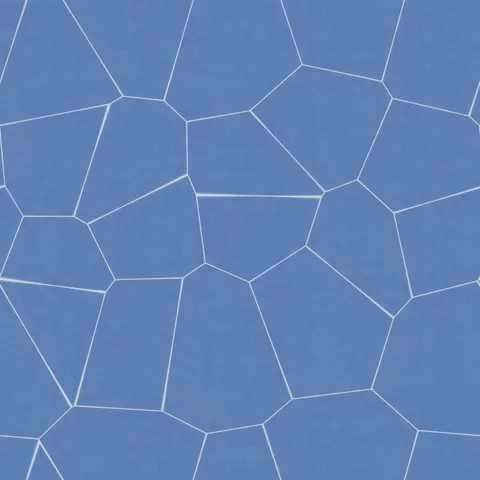
Thick arctic ice with deep blue tones and moderate frost coverage. Great for polar landscapes, glacier textures, and frozen ocean surfaces.
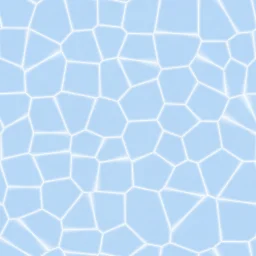
Thin Ice
Delicate ice with dense hairline cracks and high transparency. Suited for fragile frozen puddles, early winter effects, and subtle overlay textures.
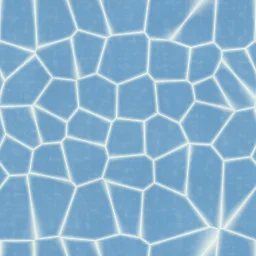
Glacial
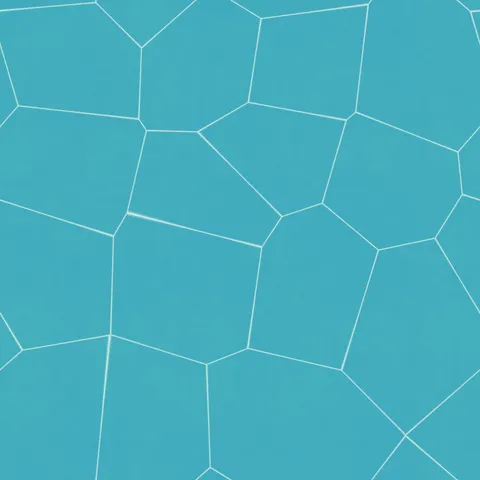
Massive glacial ice with teal undertones, moderate cracking, and textured surface. Works well for ice cave walls, iceberg textures, and dramatic frozen environments.
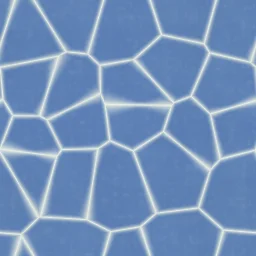
Blue Glacier
Deep blue thick glacial ice with sparse cracks and light frost. Perfect for underwater ice shelf textures and dramatic polar environment renders.
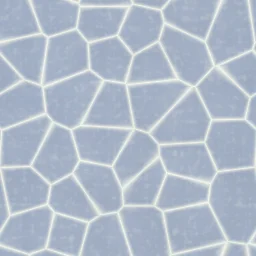
Permafrost
Gray-white frozen ground ice with moderate cracks and heavy frost coverage. Ideal for tundra landscapes, frozen soil textures, and arctic terrain surfaces.
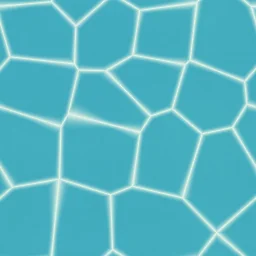
Crystal Cave
Vivid teal crystal ice with minimal frost and exceptional clarity. Great for fantasy ice cave interiors, gemstone-like overlays, and magical frozen environments.
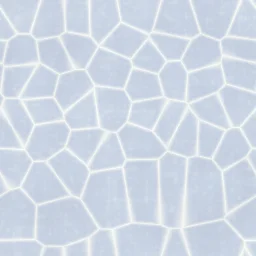
Hailstone
Rough white ice with dense cracks and heavy frost, resembling compacted hailstones. Suited for storm damage textures and harsh winter weather scenes.
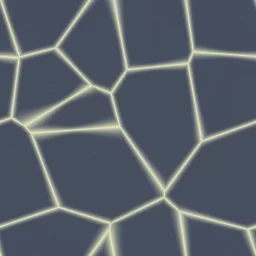
Black Ice
Dark transparent ice with minimal cracks and almost no frost. Perfect for ominous frozen surfaces, dark fantasy environments, and sleek icy overlays.
Ice Texture Generator FAQ
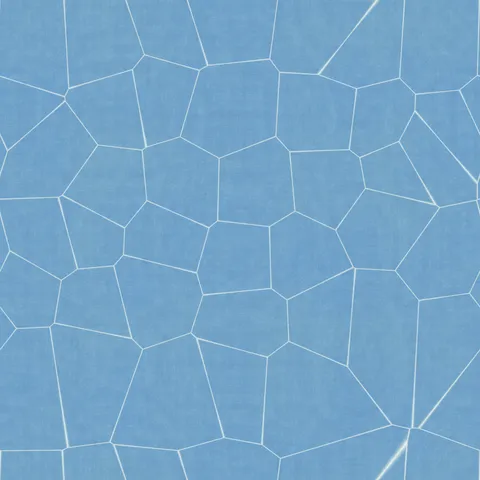
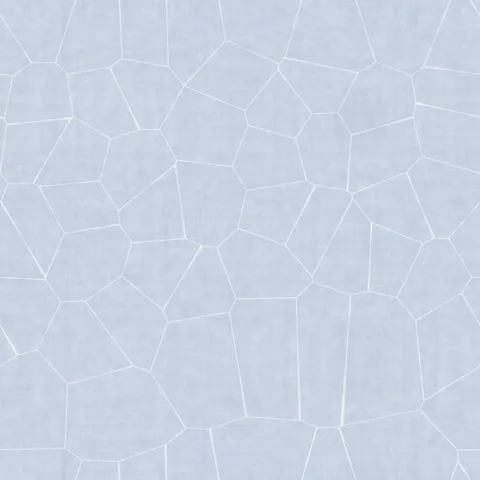
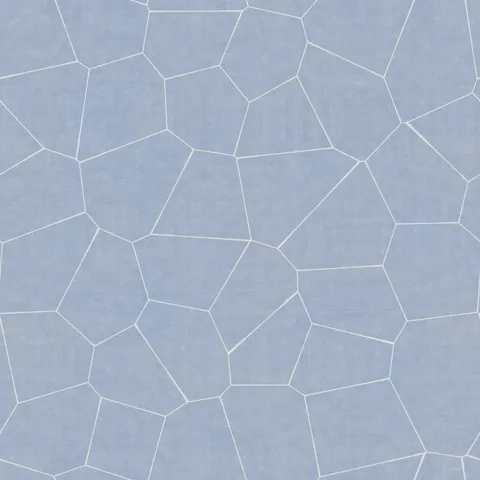
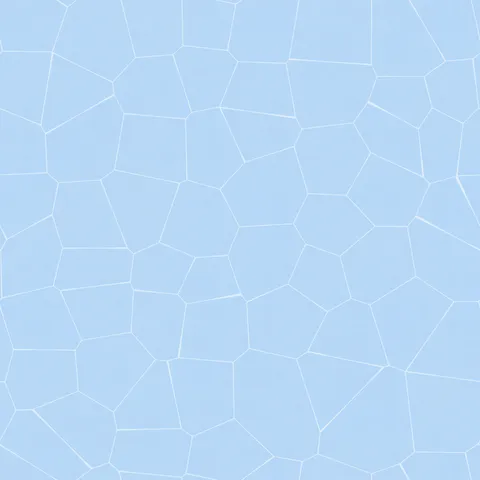
Textures Made With This Generator
View all 10 textures →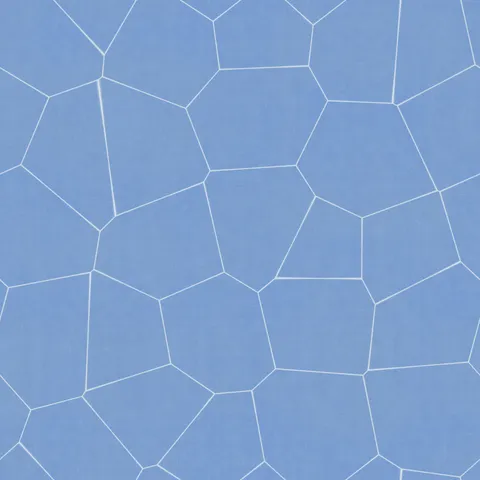
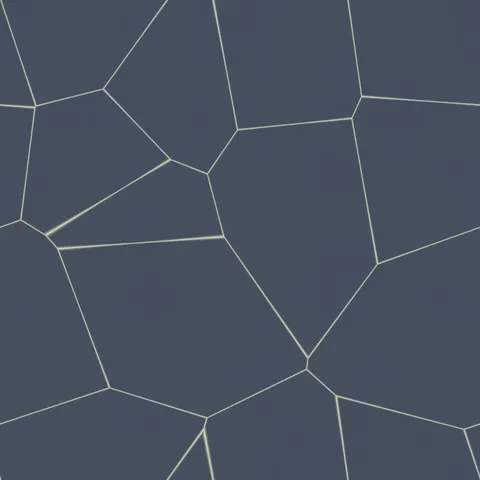
Process Your Ice Texture Generator Texture
Use our free browser-based tools to enhance, mix, and analyze your textures.
Texture Mixer
Blend this texture with another for unique combinations.
Make Seamless
Ensure perfect seamless tiling for any image.
Normal Map Generator
Generate normal maps from your texture for 3D and PBR workflows.
Color Palette Extractor
Extract the dominant colors from your texture.
All tools run in your browser — no uploads, no servers.
How the ice generator works
The algorithm
The ice generator layers multiple noise types to produce the complex visual structure of frozen water. A base FBM establishes the overall transparent-to-translucent colour variation. A crystalline overlay — generated from Voronoi edges — adds the characteristic crack patterns that form as ice freezes and contracts. Air bubbles are distributed via Worley noise; each bubble is rendered as a small bright spot with a tiny specular highlight. Specular highlights are applied along crystal edges to simulate light refracting through the crystalline structure.
What the parameters do
clarity controls how much the underlying colour shows through — high clarity is glass-like blue ice, low clarity is cloudy frozen water with more bubbles. crackDensity controls the Voronoi edge pattern intensity. bubbleCount adds air pockets. tint biases between arctic blue, glacier teal, and neutral frost.
What it's good for
Winter and arctic game environments, product visualisation for beverages and frozen foods, architectural visualisation of ice features and skating rinks, and cool-toned web backgrounds for winter-themed brands.
Practical tips
Glacier ice reads distinctly blue — not pure blue, but a specific cyan-teal that comes from how ice absorbs red wavelengths over long distances. Pond ice is closer to neutral with more visible crack structure. For iceberg renders, push tint into saturated teal territory. Crack density should increase with perceived age — freshly frozen ice has minimal cracking.
Related Generators
Explore more free seamless texture generators with full customization and instant PNG download.