Voronoi Generator
Create cell patterns, cracked earth, and organic textures with Voronoi diagrams.
Share this exact texture with anyone
How to Use Your Voronoi Generator Texture
CSS Background
Apply as a full-bleed CSS background for landing pages to add an organic cellular feel. Use background-blend-mode: screen over a dark base color to highlight just the cell edges as a subtle network pattern.
background: url('texturize_voronoi.png') repeat;
background-size: 256px 256px;
Blender
Use as a Displacement input on a Principled BSDF with a Subdivision Surface modifier to create raised cell geometry. Combine with a Voronoi Texture node in the shader for matching procedural roughness variation per cell.
Unity & Unreal Engine
In Unity, use the cell pattern as a Heightmap for Tessellation on rock and organic surfaces. In Unreal, connect to a World Displacement input in a Tessellated Material for real-time cell extrusion on terrain meshes.
Photoshop & Figma
Use as a displacement map in Photoshop via Filter > Distort > Displace to warp text and shapes into a cellular pattern. In Figma, overlay at low opacity on card components for a subtle organic texture layer.
Game Development
Perfect for alien surfaces, cracked mud, dried lava, and insect hive structures in sci-fi and fantasy games. Use the cell boundaries as a mask to blend two material types for natural cracking effects.
Architectural Visualization
Use for decorative concrete panels, natural stone cladding, and crackle-glaze ceramic tiles in architectural renders. The cellular pattern adds visual interest to otherwise flat wall surfaces.
Print & Packaging
Adds a scientific, organic aesthetic to biotech branding, skincare packaging, and nature-themed editorial layouts. The cell network pattern conveys innovation and natural structure.
Social Media & Video
Creates an abstract, modern backdrop for tech startup announcements and science-themed content. The cellular geometry reads well at small sizes and provides visual texture without overwhelming text overlays.
Voronoi Generator Preset Gallery
Click any preset in the generator above to apply it instantly. Each variation is seamless and ready for download in 1024, 2048, or 4096 resolution.
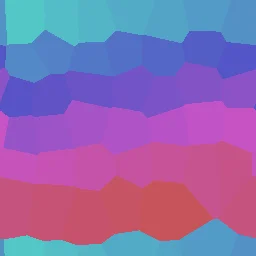
Organic Cells
Natural teal-toned cellular pattern with soft, irregular boundaries. Perfect for biological textures, microscope visuals, and nature-inspired designs.
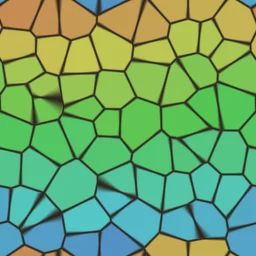
Cracked Earth
Warm brown cracked surface with thick edge lines and high irregularity. Ideal for drought landscapes, desert terrain, and aged surface effects.
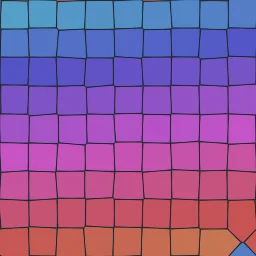
Honeycomb
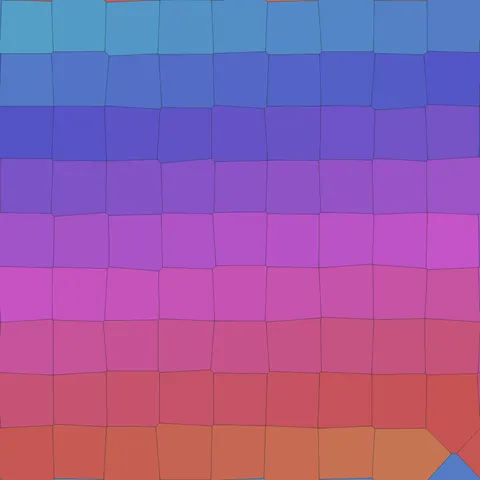
Regular, near-hexagonal cell pattern with thin clean edges and uniform spacing. Great for geometric backgrounds, tech UI elements, and structural designs.
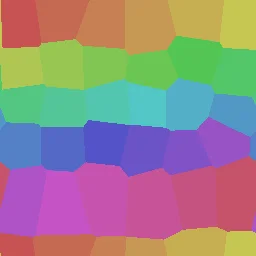
Stained Glass
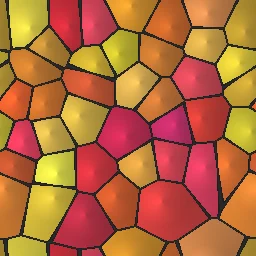
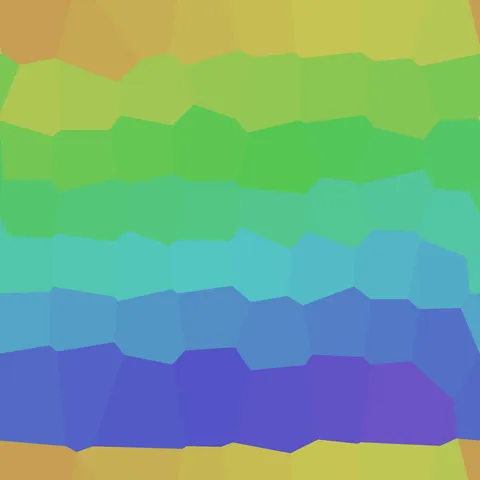
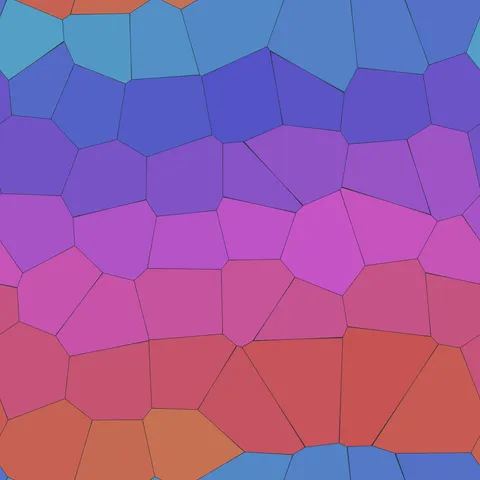
Colorful mosaic of large cells with full spectrum hue variation. Suited for decorative art, church window mockups, and vibrant abstract compositions.
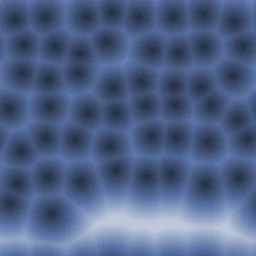
Distance Field
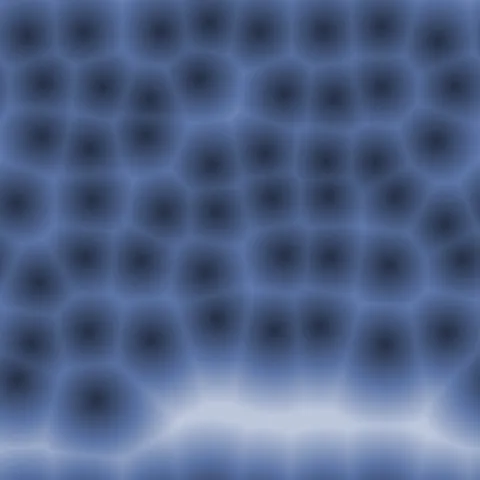
Cool blue gradient radiating outward from cell centers with smooth falloff. Works well for sci-fi interfaces, data visualizations, and glowing energy effects.
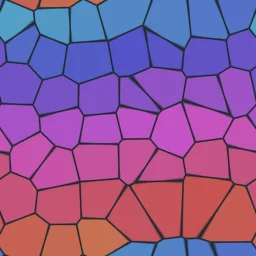
Frozen Fracture
Ice-blue crack pattern with jagged irregular edges and medium cell density. Ideal for frozen lake surfaces, winter-themed game textures, and arctic environment maps.
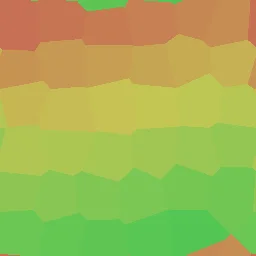
Magma Cells
Fiery red-orange cellular pattern with warm hue variation and bold divisions. Perfect for lava flow textures, volcanic terrain, and hot magma surface effects.
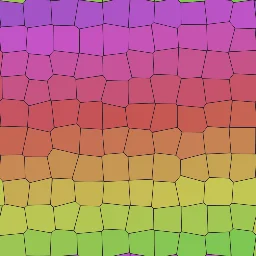
Neural Network
Dense purple edge network with thin lines and low irregularity for a tech aesthetic. Great for AI-themed graphics, neural pathway illustrations, and futuristic UI overlays.
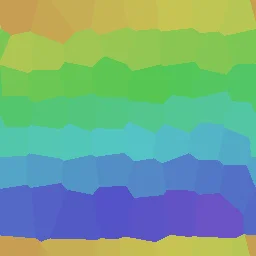
Desert Mosaic
Warm tan cellular mosaic with high color variation and organic spacing. Suited for sandstone tile textures, Middle Eastern architecture, and arid landscape surfaces.
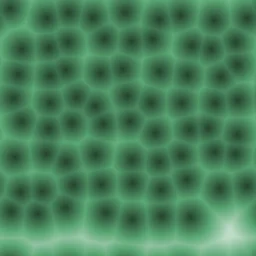
Alien Tissue
Eerie green distance field with organic, otherworldly depth and glow. Works well for alien biology textures, sci-fi creature skins, and bioluminescent surface effects.
Voronoi Generator FAQ
Textures Made With This Generator
View all 10 textures →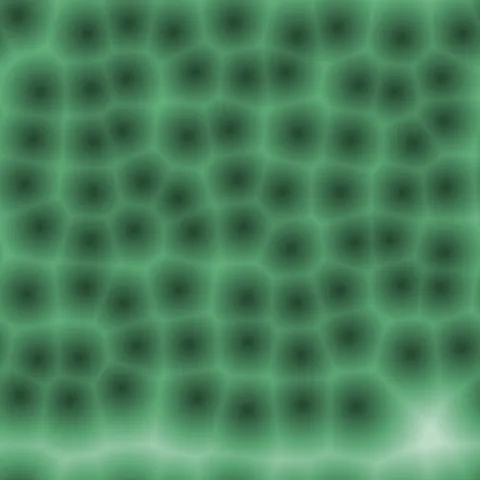
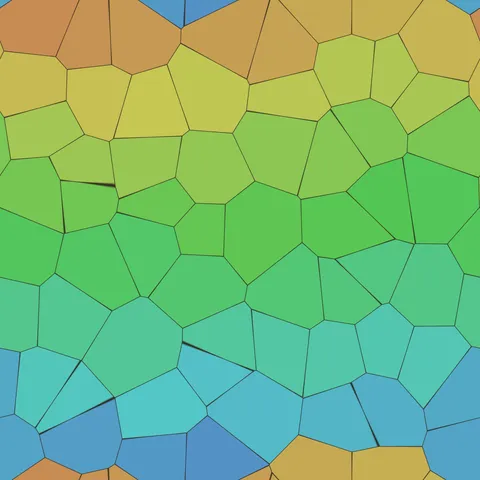
Process Your Voronoi Generator Texture
Use our free browser-based tools to enhance, mix, and analyze your textures.
Texture Mixer
Blend this texture with another for unique combinations.
Make Seamless
Ensure perfect seamless tiling for any image.
Normal Map Generator
Generate normal maps from your texture for 3D and PBR workflows.
Color Palette Extractor
Extract the dominant colors from your texture.
All tools run in your browser — no uploads, no servers.
How the Voronoi generator works
The algorithm
Voronoi noise starts with a set of scattered seed points. For every pixel, the algorithm measures the distance to the closest seed and optionally to the second-closest. The closest-distance field gives you the rounded cellular blobs that make this pattern instantly recognisable — each cell shrinks or grows based on how densely seeds are packed around it. Taking the difference between first- and second-closest distances produces crisp edges where cells meet, which is how crack networks and honeycomb grids are derived from the same base function. Tileability is achieved by wrapping seed points across the tile boundaries.
What the parameters do
pointDensity sets the seed count. jitter controls how much the seeds are offset from a regular grid — zero gives you hexagonal honeycomb, one gives you chaotic organic cells. edgeMode toggles between filled cells and edge-only output. colorVariation assigns each cell a slightly different colour pulled from a palette ramp.
What it's good for
Stone wall and cobblestone bases, biological cell imagery, crack networks for damaged surfaces, foam and bubble effects, honeycomb and hex-grid backgrounds, and as a procedural ingredient in compound textures where you need organic cell shapes.
Practical tips
Setting jitter to zero often reveals that the underlying grid is square rather than hexagonal. If you need true honeycomb, manually offset every other row in the seed placement — some Voronoi presets do this for you. For crack textures, take the edge output, raise contrast to maximum, and invert so dark lines sit on a bright background.
Related Generators
Explore more free seamless texture generators with full customization and instant PNG download.